
The Camera in My Pocket
I have been thinking for a while about the photographs I make with my phone. Not because I think it can replace my cameras—it cannot—but because I use it quite often.
It has quietly become part of how I photograph: sometimes to record a moment, sometimes to explore a possibility, and sometimes simply because it is the only camera I happen to have with me.
This field note is about that less deliberate side of my photography, and about what changes when a camera is always within reach.
Always There
The first break came after an early morning of photographing in Lapland in late October. It was already -15°C, the lakes had started to freeze, and there was quite a bit of snow on the ground.
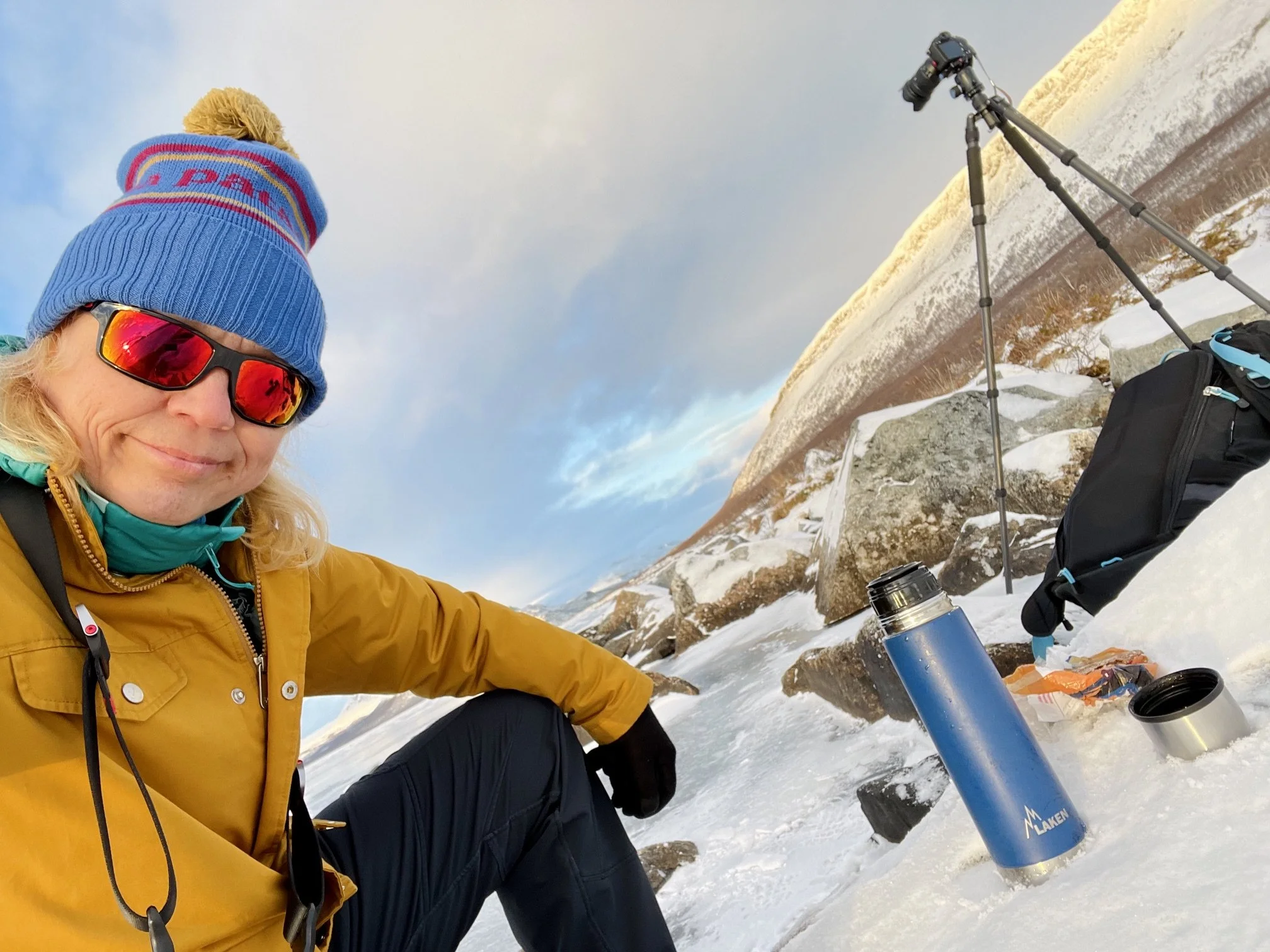
An early morning break in Lapland
After the first session I was ready for a sandwich and something warm from the thermos. Behind me, the camera and tripod were still standing in the snow.
I took a selfie of this quiet moment. It is a small, almost insignificant image, but it is also a good illustration of why I use the phone so much.
It is nearly always with me. It serves a different purpose from my cameras. It is simply there.
Candid Moments
Some of my favourite phone photographs have come from moments when I was not really photographing at all.
Reindeer walking along a road in Lapland in late October. Huskies pulling a sledge in Svalbard. Heavy snow falling along a road in Longyearbyen, you name it.
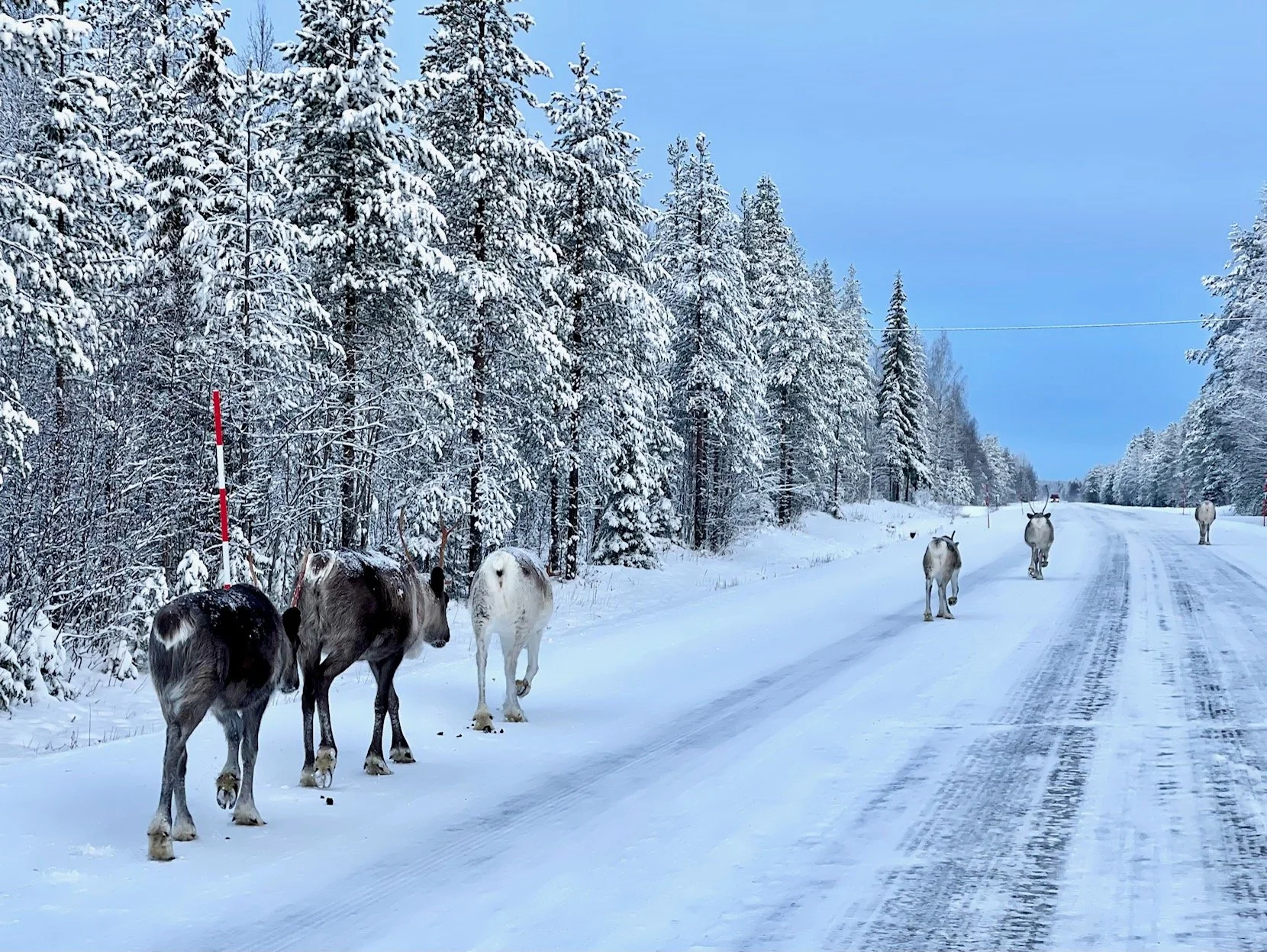
Reindeers on an icy road in Lapland
With a camera in the bag, there can be a small hesitation: should I take it out, which lens, where is the light, is the moment going to last?
With the phone, that decision is much simpler. I can take it out and make a photograph before the moment has disappeared.
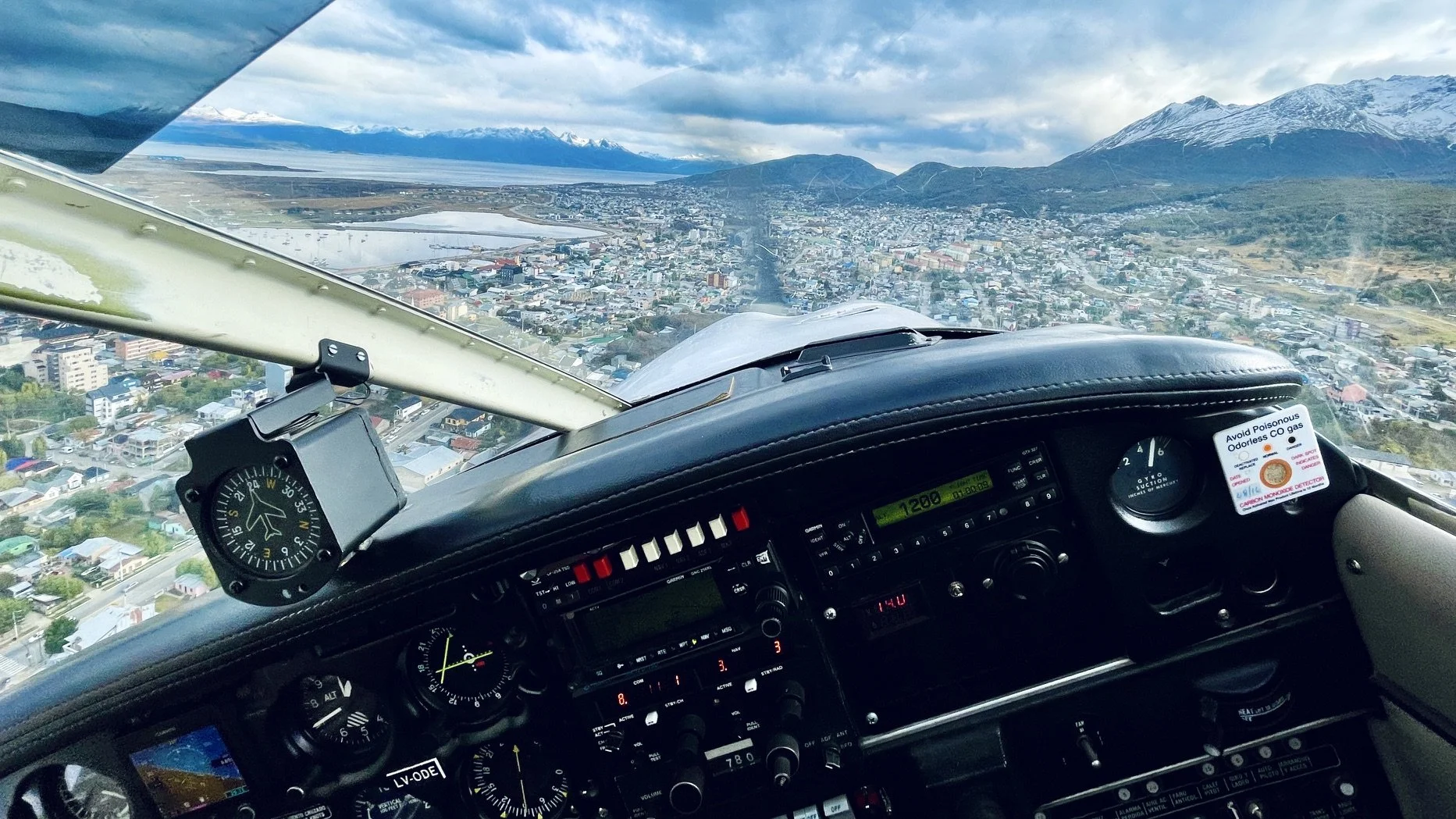
Landing in Ushuaia
The resulting image may not have the technical qualities of one made with a dedicated camera, but sometimes that is beside the point. Without the phone, there simply would not have been a photograph.
Looking Differently
The phone has also become a useful way of exploring a scene. Because it is so quick to use, I can try an angle that would be awkward to test with a larger camera.
I can move closer, lower the camera almost to the ground, look through a wet car window, or make a quick frame from a small plane without turning the moment into a photographic setup.
Some of these experiments remain just that. Others reveal something I hadn't noticed before and make me reach for my camera.
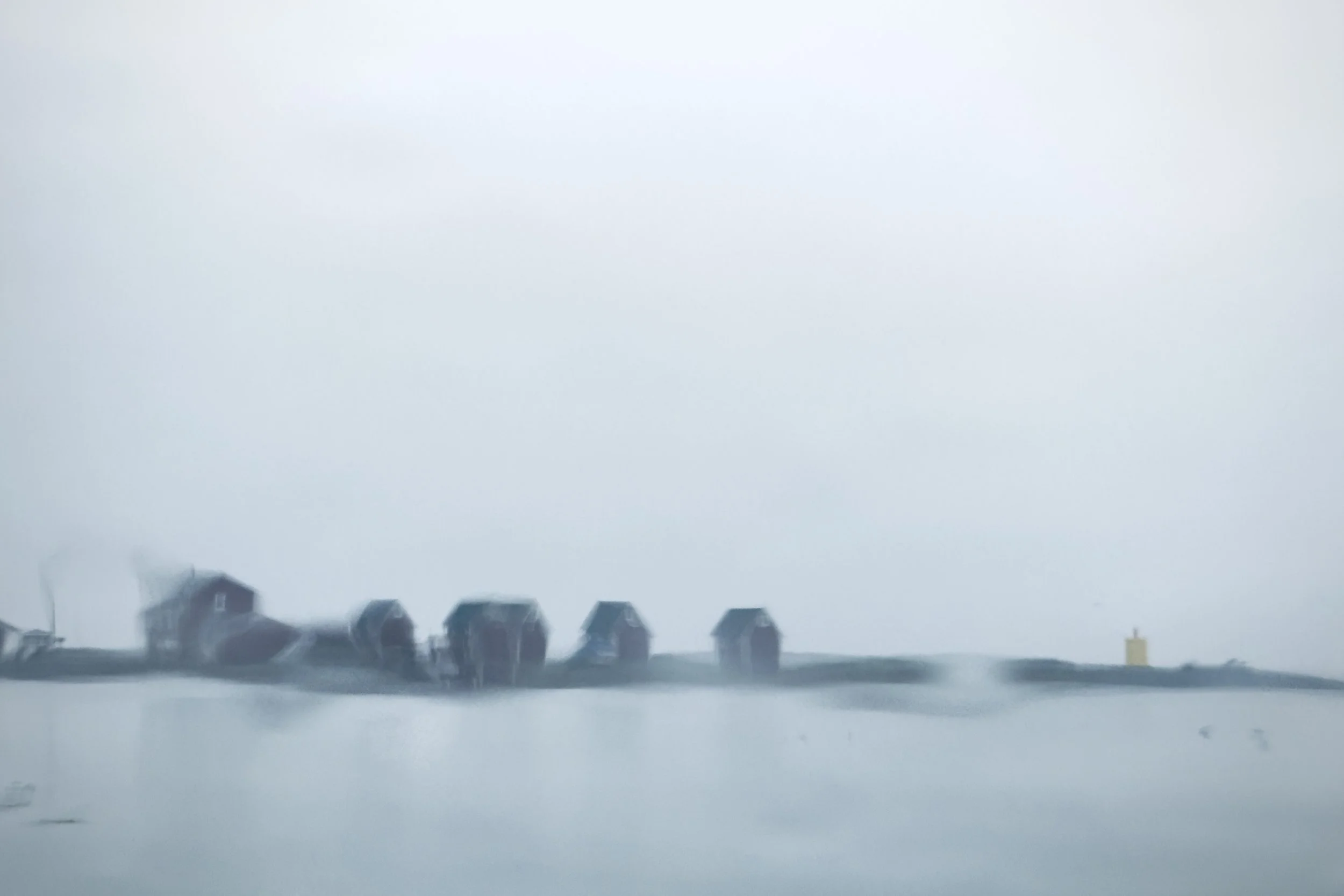
Iceland, seen through a wet car window
An aerial photograph can offer an entirely different kind of freedom. From over 10km altitude, the landscape changes scale and becomes something almost unfamiliar. A photograph of the deserts of Africa from above can reveal patterns, lines, colours and forms that are difficult to see from the ground. The phone makes it easy to react quickly to these fleeting views, when there may only be a few seconds before the landscape disappears beneath the wing.
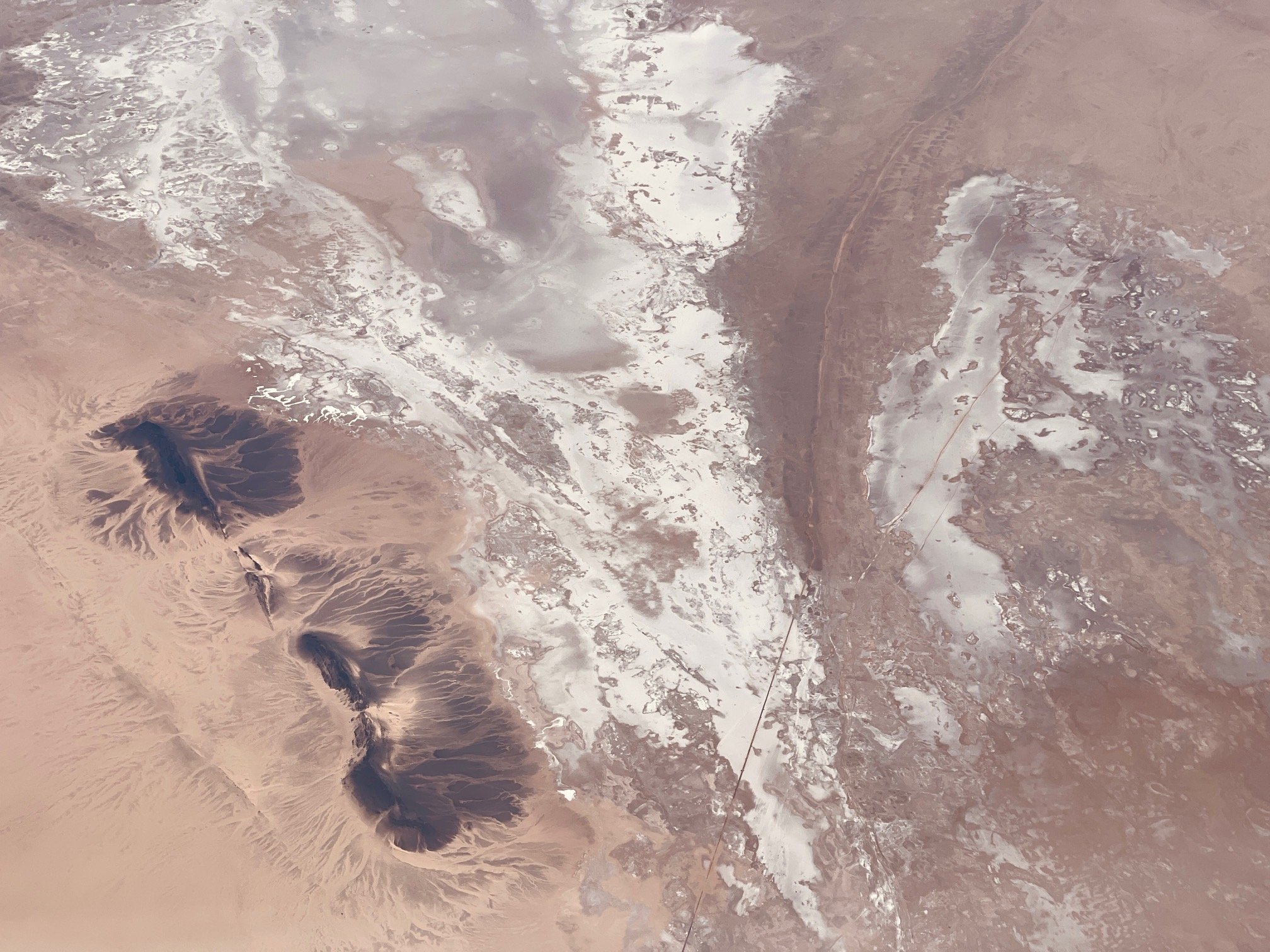
Mauritania from above
The phone is not necessarily making the final photograph. Sometimes it is simply helping me find a way of seeing it.
Making Photographs
There are also times when I use the phone quite deliberately. Some of the photographs I have made with it are not substitutes for photographs made with my other cameras. They are photographs I wanted to make with the phone.
Live Photos are one example. Used as a long exposure, they can turn moving water, ice or another fleeting movement into something quite different from what the eye sees.
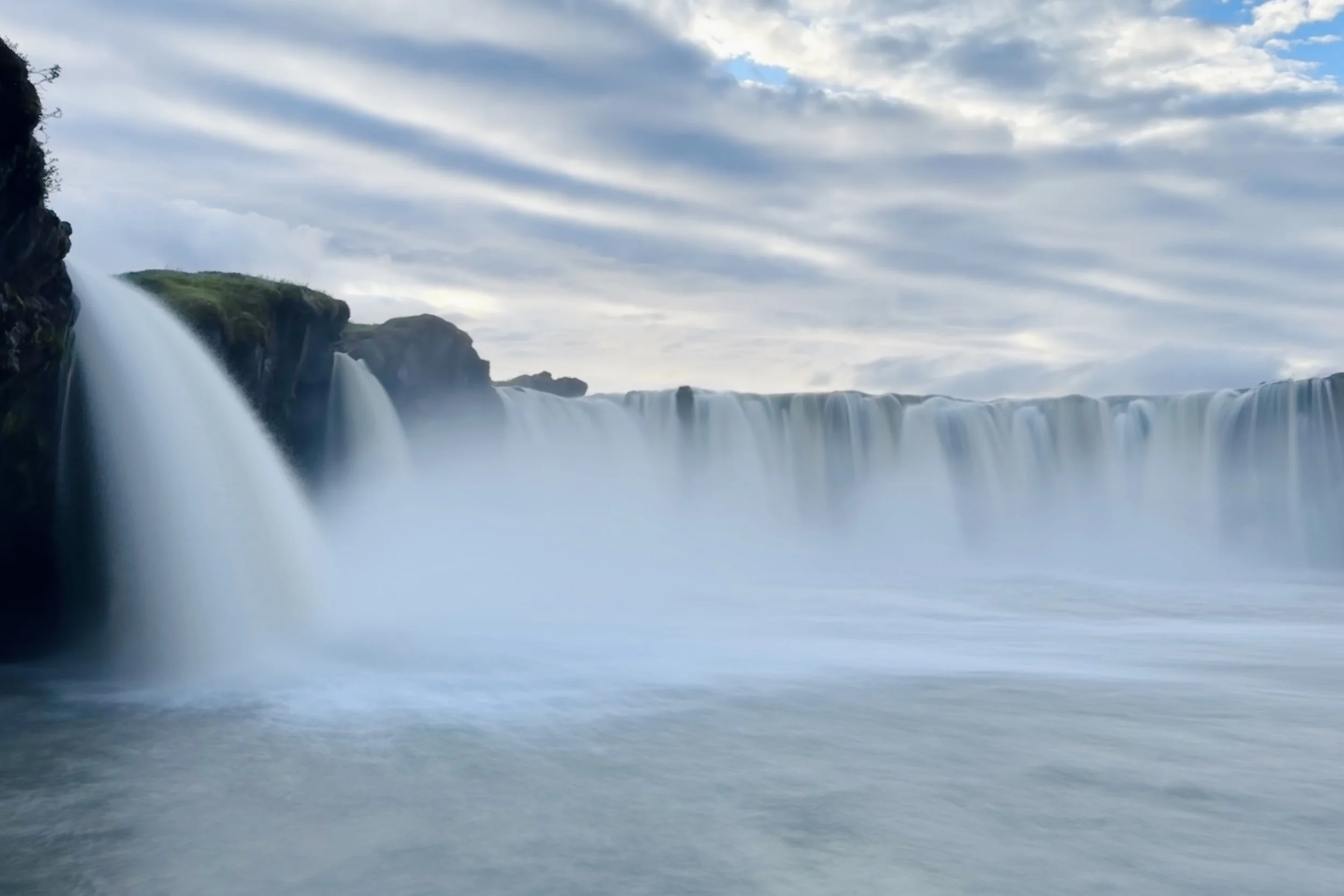
The beautiful Goðafoss in Iceland
And there are photographs made simply because the composition, light or atmosphere appealed to me. Sometimes it is difficult to make the same photograph with a camera without a tripod and/or focus stacking. The photograph of Saana is a good example: a very low viewpoint with a strong foreground. I tried it with a camera, but the position was complicated and the result simply didn’t work. With the phone, I could get the camera almost to ground level and make the photograph quickly, without setting up a tripod or worrying about post-processing.
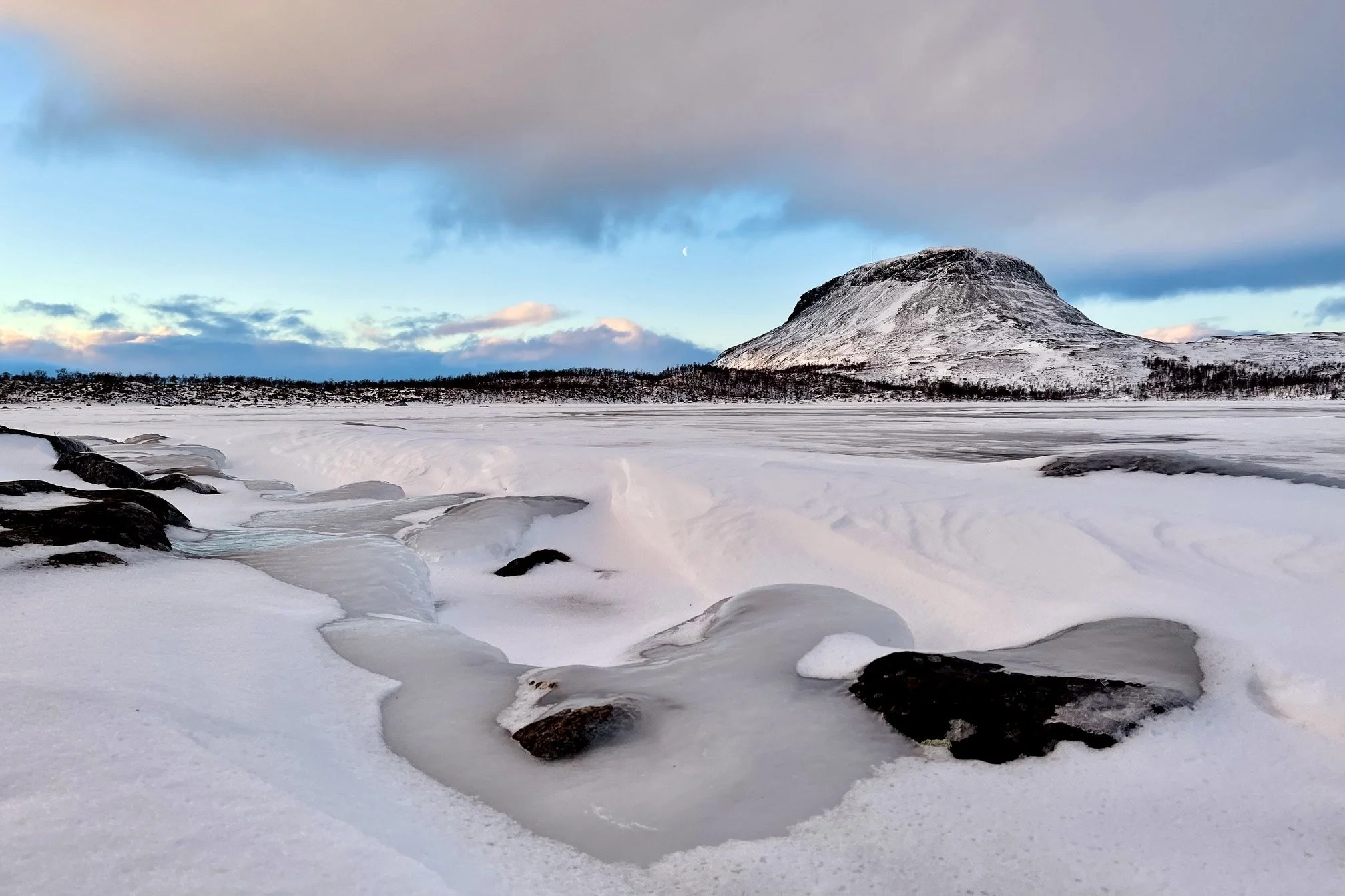
Saana in November evening light, Lapland
Panoramas are another example. Of course, it is possible to make a panorama with a camera, but it usually requires more preparation: taking a series of photographs, keeping the camera level and then combining them afterwards. With the phone, I can simply turn around and make the panorama in a few seconds. This makes it much easier to experiment with a wider view, especially when the landscape itself is the reason for making the photograph.
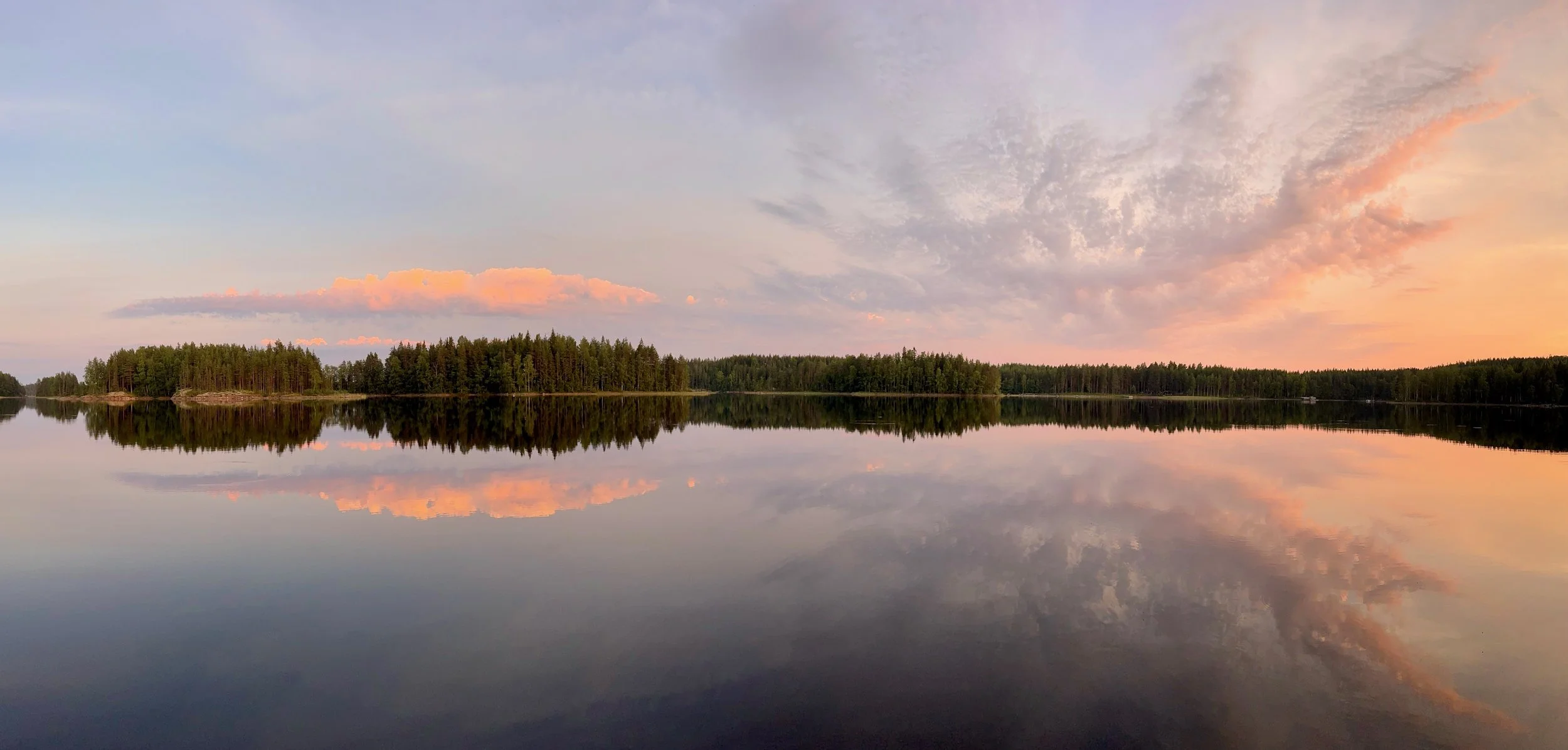
Panorama of summer sunset in Saimaa
I don't think of them as “good iPhone photographs”. They are just photographs. The device matters less once the image itself begins to work.
Limitations
Of course, the phone has its limits. We all know them.
It is not as weatherproof as dedicated cameras, and in cold weather the battery can become a serious problem, the two or three lenses are just those.
In most situations where I want reach, responsiveness, control and image quality, I still need a proper camera and lens. A flying bird is a good example. It is possible to photograph one with a phone, but it is far from ideal when the bird is moving quickly or is some distance away.
Knowing what the phone cannot do is part of knowing when to use it. The point is not that one camera can replace another.
In My Pocket
What I like about the phone is much simpler and it’s practically always there.
On a road in Lapland, on the deck of a ship, looking through an aircraft window, during a pause in the field, grand vistas, or when the light suddenly changes.
Sometimes it records something I would otherwise have missed. Sometimes it gives me a different way into a photograph.
And sometimes it makes a photograph that I would have been unlikely to make with a larger camera.
My other cameras remain the ones I choose when the photograph demands them. The phone is something else: a small, always-available invitation to look.
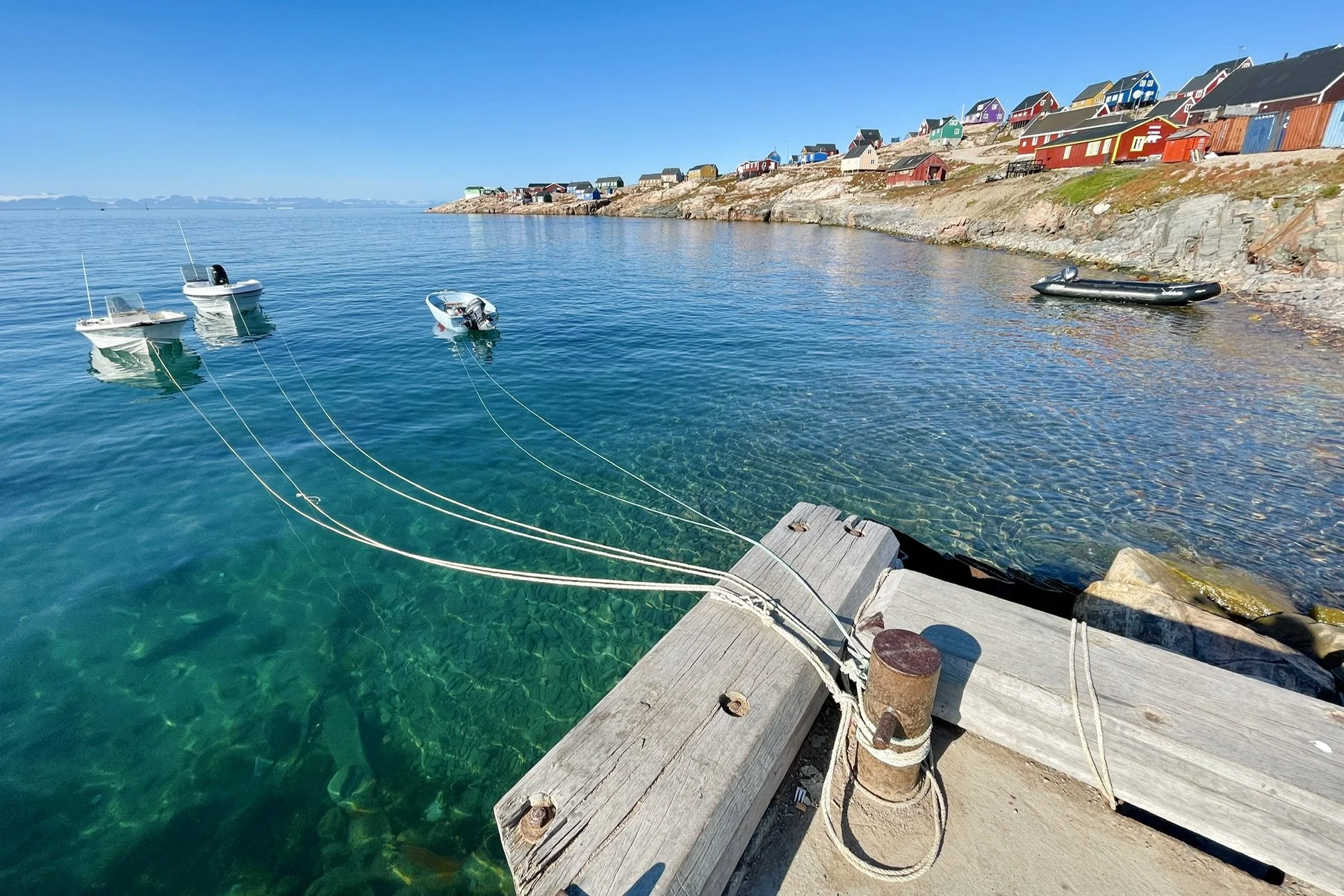
Quiet day in Ittoqqortoormiit in East Greenland